
THE HAIR EXTENSION GUIDE
Hair Extension Guide: Choosing the Right Extensions for Your Hair
Whether you want fuller ends, extra length or coverage for thinning areas, choosing hair extensions starts with understanding your own hair.
This guide explains the different extension methods, hair quality, costs, maintenance and everyday care. We also explore hair toppers and when a consultation can help you find the most suitable option.
There is no single method that suits everyone. Your natural hair, scalp condition, lifestyle and desired result all matter. Our aim is to help you understand your options so you can make an informed, confident decision.

About Hair Extension Experts
Who are Hair Extension Experts?
Hair Extension Experts is a specialist salon in Jukskei Park, Johannesburg North, offering human hair extensions, hair toppers and personalised hair transformations.
Yentl Palmer started supplying tape extensions to other salons in 2011 and opened her own salon in 2012. It grew from her own experience of wearing extensions and researching hair quality and attachment methods internationally.
We understand that choosing extensions is about more than adding length. You may want to restore fullness, feel more comfortable with thinning hair or simply enjoy a change that feels like you.
Our approach starts with a consultation. We assess your natural hair, discuss your goals and recommend a suitable method, colour, length and amount of hair. We also explain the maintenance and home care involved before you decide.
Petite tape extensions are our preferred option for many suitable clients. We also offer other extension methods and human hair toppers, with recommendations based on your individual needs.
Our focus is a natural-looking result, thoughtful placement and ongoing care for your natural hair.
Problems With Your Own Hair
Why is my hair thinning?
Hair thinning can have several causes, and more than one may be involved.
Common contributors include inherited pattern hair loss, ageing, thyroid conditions, nutritional deficiencies, certain medicines and changes associated with pregnancy or menopause. Some scalp and autoimmune conditions can also cause hair loss.
Repeated pulling from tight hairstyles or heavy attachments can lead to traction alopecia. Chemical damage and excessive heat may cause breakage, making your hair look thinner even when it is still growing.
If you notice persistent thinning, a widening parting or bald patches, speak to a GP or dermatologist. A scalp assessment and relevant tests can help identify the cause. Seek prompt medical advice for sudden patches, scalp pain, sores or inflammation.
Hair extensions and toppers can improve the appearance of suitable clients’ hair, but they do not treat the underlying cause of hair loss.


Why is my hair shedding?
Some daily shedding is normal. A noticeable increase can sometimes follow childbirth, illness, surgery, significant stress, rapid weight loss or a change in medication.
One common form of temporary shedding is called telogen effluvium. It often starts a few months after the event that triggered it.
Shedding and breakage are different. Shedding releases hairs from the root, while breakage leaves shorter, snapped strands.
If shedding is sudden, persistent or accompanied by visible thinning, arrange a medical assessment. Do not stop prescribed medication without speaking to your doctor.
Why does my hair seem to grow slowly?
Sometimes hair is growing, but breakage at the ends makes it difficult to retain length. Frequent bleaching, excessive heat, friction and rough handling can all contribute.
Growth patterns also vary between people and may change with age or health.
Start with gentle hair care, suitable conditioning and less heat. If slow growth comes with increased shedding, thinning or scalp symptoms, speak to a GP or dermatologist.
Extensions can add visible length while you work on your natural hair, provided your hair is strong enough to support them.
Why are my ends snapping?
Breakage can develop when hair becomes weakened by bleaching, chemical treatments, repeated heat styling, friction or rough detangling.
Use conditioner suited to your hair, detangle gently and reduce unnecessary heat. Heat protection helps, but it does not make hair immune to damage.
Products may improve softness and manageability, but split ends cannot be permanently repaired. A trim may be needed.
Extensions can make suitable hair look fuller, but they do not repair damaged strands. If your hair is fragile, we will assess its condition before recommending extra weight or length.
Why won't my hair hold a style?
How well your hair holds a style depends on its texture, condition, the products used, styling technique and the weather.
Fine or very silky hair may need lightweight styling support. Heavy products can weigh it down, while damaged hair may respond unevenly to styling.
Your stylist can recommend products and techniques suited to your hair. Human hair extensions may add fullness and styling options, although their texture and response to humidity still need to be considered.
Why can't I get my hair the right colour?
Your starting colour, previous colouring, porosity and hair condition all influence the result. Colour build-up and uneven lightening can make a shade harder to achieve consistently.
A consultation helps us work out what is achievable while considering the condition of your hair.
Tape extensions can introduce lighter pieces, depth or dimension without lightening every strand of your natural hair. We may blend several shades for a more natural result.
We do not recommend bleaching extensions. Extension hair has often already undergone significant processing, and further lightening can cause dryness, breakage or unpredictable colour.
Why is my hair flat and limp?
Fine strands, low density, an unsuitable haircut, oily roots or heavy product build-up can all affect volume.
A lighter product routine, thorough rinsing and a suitable cut may help. Conditioner should be applied where your hair needs it, without unnecessarily weighing down the roots.
For suitable clients, a smaller amount of petite tape extensions can add body and fuller ends without adding much length. We assess your natural density before recommending how much hair to use.
Improving Thinning Hair
What can help improve thinning hair?
The best approach depends on the cause.
Medical assessment and treatment
A GP or dermatologist can assess your scalp, medical history and symptoms. Blood tests or other investigations may be recommended where relevant.
Treatment may include addressing a deficiency or scalp condition, or using medicines such as minoxidil where appropriate. Not everyone needs the same tests or treatment.
PRP, light therapy and microneedling
These treatments may help selected people with certain types of hair loss. Results vary, repeated treatment may be needed, and they are not suitable for every scalp condition.
Discuss suitability with a qualified medical professional rather than choosing a treatment before identifying the cause.
Hair transplantation
A transplant moves a person’s own hair follicles from a donor area to thinning areas. Suitability depends on the diagnosis, donor hair and longer-term hair-loss pattern.
Supplements
Supplements are most useful when they correct an identified deficiency. Taking extra vitamins or minerals does not automatically improve growth and can sometimes be harmful.
Cosmetic coverage
Extensions, toppers and wigs can improve the appearance of hair while medical concerns are being assessed or treated. A salon consultation helps identify suitable coverage options.
Hair Extension Methods
Can hair extensions damage my natural hair?
All extension methods place some additional weight on natural hair. The level of risk depends on your hair’s condition, the attachment method, weight, placement, maintenance and removal.
At Hair Extension Experts, petite tapes are our preferred option for many suitable clients. Their flat attachments allow us to spread the extension weight across a section of natural hair and customise the placement.
However, no method is suitable for everyone. Very fragile hair, active hair loss or an irritated scalp may need assessment before extensions are considered.
Appropriate maintenance and gentle home care help reduce avoidable stress. Contact us promptly if you experience pain, persistent pulling, sores, matting or noticeable breakage.
Your extensions should never require you to tolerate ongoing pain.

What types of hair extensions are available?
The most suitable method depends on your natural hair, desired result and maintenance routine.
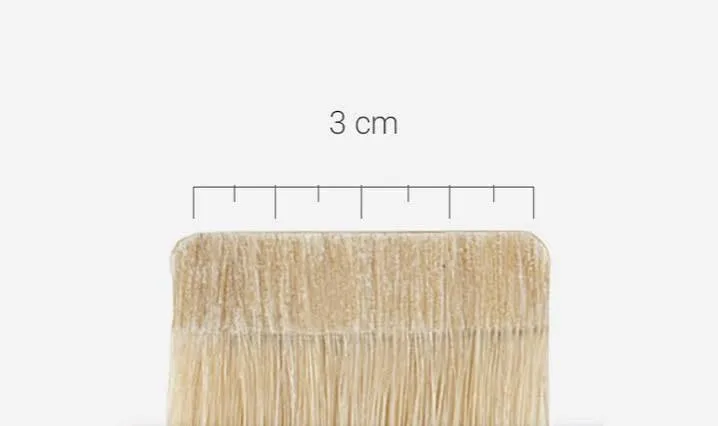
Petite tape extensions
Tape extensions use flat adhesive attachments to secure extension hair to sections of your natural hair.
Depending on your hair and the placement, we may use a sandwich application or a single-sided technique. Our petite invisible tape approach focuses on discreet placement, comfortable wear and a natural blend.
Our Invisible Bond Method uses petite tapes with a specialised seal above the bond for a more discreet attachment.
Suitability depends on having enough healthy natural hair to support and cover the attachments.

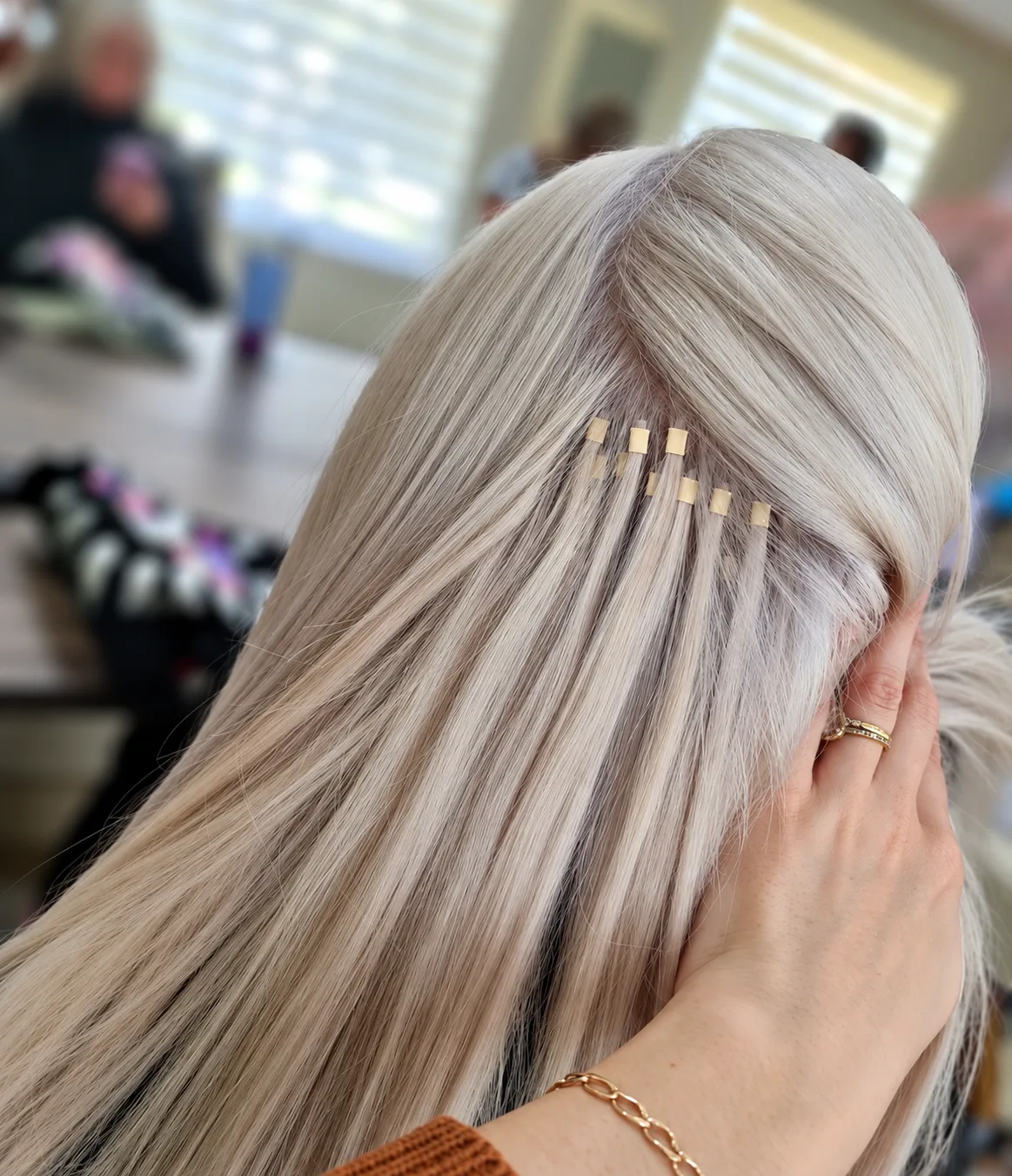
Micro ring extensions
Micro rings secure individual extension strands using small beads. They do not require adhesive or heat during attachment.
The size and weight of each strand, placement and maintenance are important. Rings may be less suitable for very fine or fragile hair.
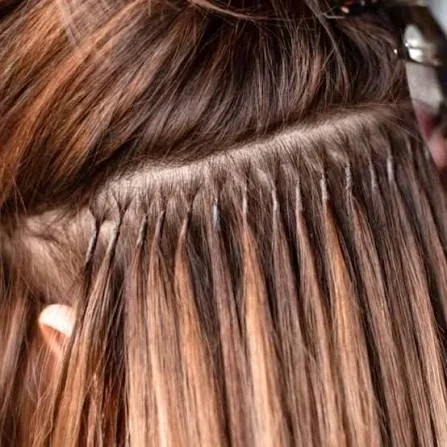
Nano ring extensions
Nano rings use smaller attachments than conventional micro rings. A smaller attachment may be less visible, but it does not automatically make the method gentler or suitable for finer hair. We do not offer nano ring extensions, although we sometimes use nano rings to secure hair toppers.
Keratin bond extensions
Keratin bond extensions attach individual strands using pre-bonded tips, commonly applied with a heated tool.
They allow flexible placement, but require careful assessment, professional removal and a suitable maintenance plan. They are not a six-month, maintenance-free option.
Genius weft extensions
A weft is a wider section of extension hair attached along its upper edge.
For our sewn-in Genius weft method, a supporting row of micro rings is created and the weft is sewn onto it. Braiding your natural hair into cornrows is not required for this method.
The number of rows and amount of hair depend on your density, desired result and ability to cover the attachment area.

Tape wefts
Tape wefts use wider adhesive sections. They differ from sewn-in wefts and individual petite tapes in their placement, movement and maintenance needs. Tape wefts are on our Easy Hair Pro menu and are usually available within 24 hours.

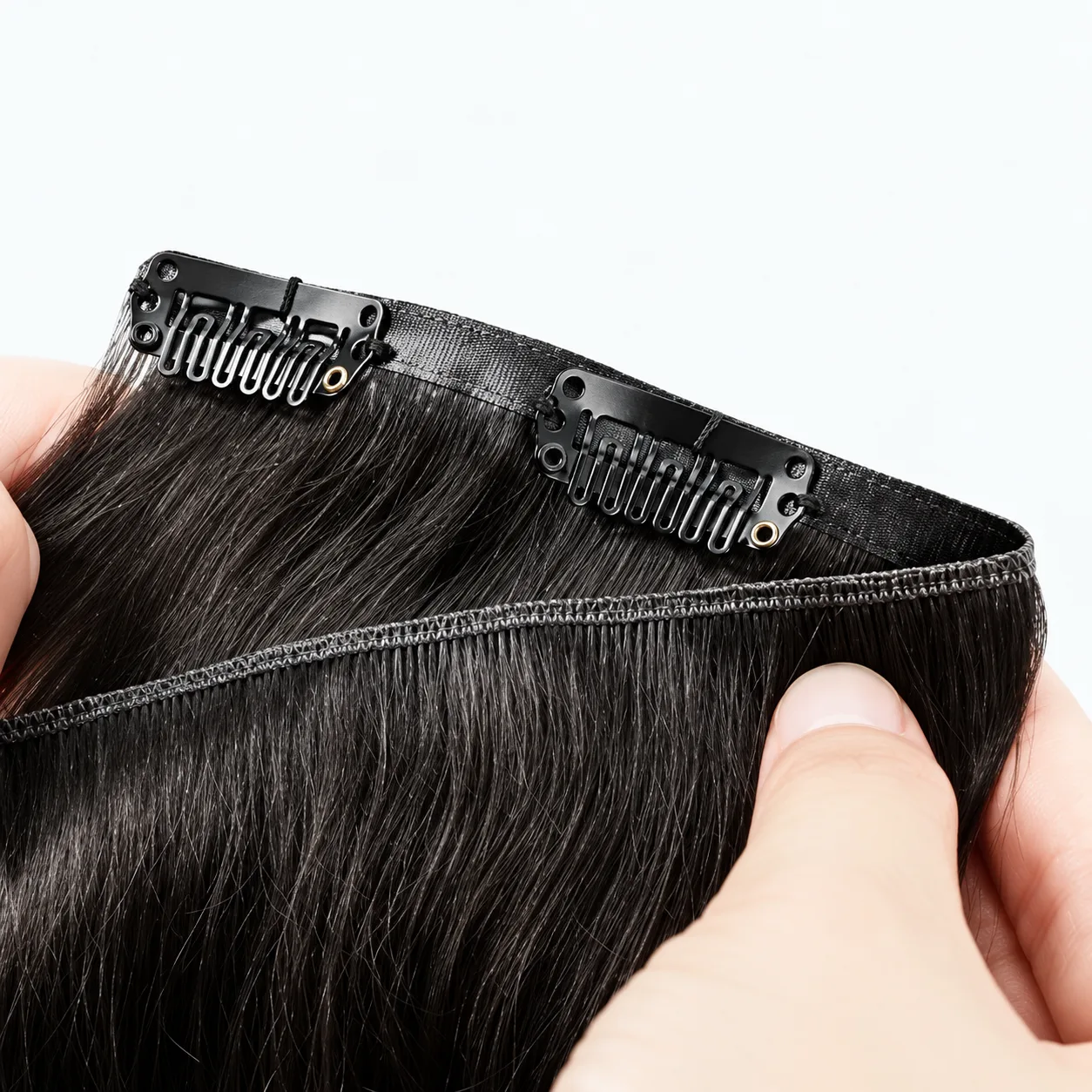
Clip-in extensions
Clip-ins are removable pieces for temporary wear. They should be removed before sleeping and handled gently.
Repeated clipping or excessive weight in the same areas can stress natural hair. They still need suitable placement and care.

Thinning Hair and Toppers
How can I cover thinning on the top of my head?
The most suitable option depends on where the thinning is, how much coverage you need and the strength of the surrounding hair.
Extensions can add fullness through the lengths, but their attachments need enough natural hair for support and coverage. When the main concern is the parting, crown or top of the head, a hair topper may be more suitable.
What is a hair topper?
A topper is a hairpiece designed to cover a particular area of the scalp and blend with your own hair.
The base size, hair density, colour and attachment method should be selected individually.

Removable toppers
Some toppers clip in and out. They offer flexibility, but the surrounding hair must be strong enough to support the clips.
Remove a clip-in topper before sleeping. Ask for product-specific guidance about exercise and swimming.

Professionally attached toppers
Selected toppers can be professionally secured to suitable existing hair for longer wear between appointments.
This requires regular maintenance and scalp care. Attachment is not suitable for every thinning pattern.
A consultation allows us to assess coverage, comfort and the best way to blend the topper with your own hair. Unexplained or progressing hair loss should also be medically assessed.

Choosing Extensions, Pricing and Hair Quality
What are the best hair extensions?
The best extensions are the ones that suit your natural hair, lifestyle and expectations.
- Consistent hair quality from a supplier who explains what you are buying.
- A method and weight your natural hair can comfortably support.
- A suitable colour and texture match.
- Enough hair for a balanced blend.
- An experienced stylist who assesses suitability.
- Clear maintenance, aftercare and pricing information.
- Support if you experience a problem.
The longest or thickest set is not always the most suitable. A thoughtful recommendation should consider your natural hair as well as the finished look.
How many extensions will I need?
The amount depends on your starting length, density, haircut and desired result.
Adding body usually needs less hair than creating a major change in length. Short or blunt hair may need more extension hair to blend the transition, provided the natural hair can support it.
Pack counts are not directly comparable between brands because the weight and number of pieces can differ.
Photos can help us provide an initial estimate. A consultation lets us confirm the method, amount, colour and length before installation.
How much do hair extensions cost?
Your quote depends on the method, length, colour and amount of hair required.
We quote the extension hair and installation separately so you can see what is included. Colour services, straightening, removal or other preparation will be discussed where relevant.
Maintenance is a recurring cost and should be considered alongside the initial installation.
We can often provide an estimate from clear photographs and your preferred result. Your final recommendation and price are confirmed after assessing your hair.
Please view our current price list or contact us for a personalised estimate.
Want a personal estimate?
Send clear photos of your hair on WhatsApp and tell us the result you want. We will give you an initial estimate and confirm everything at your consultation.
What do Remy, virgin and processed hair mean?
Remy hair
Remy generally describes human hair whose cuticles are aligned in the same direction, from root to tip. This helps reduce friction and tangling. Remy hair may be coloured or otherwise processed.
Virgin hair
Virgin generally describes hair that has not undergone chemical processing. It can also be Remy if the cuticles remain aligned. Ask suppliers exactly what they mean and what processing the hair has undergone.
Non-Remy hair
Non-Remy hair does not have consistently aligned cuticles. Processing and coatings may improve its initial feel, but its performance depends on the hair and manufacturing quality.
Processed human hair
Processing may include cleaning, colouring, lightening, texturising or coating human hair. The word does not mean hair has been ground into powder and reconstructed. It also does not, by itself, tell you whether the hair is good or poor quality.
Synthetic hair
Synthetic hair is made from manufactured fibres. Some fibres tolerate heat, while others do not. Always follow the specific product instructions.
Labels alone do not guarantee quality. Ask about processing, expected wear, aftercare and supplier support.
How long do extensions last?
The lifespan of the extension hair is different from the time between maintenance appointments.
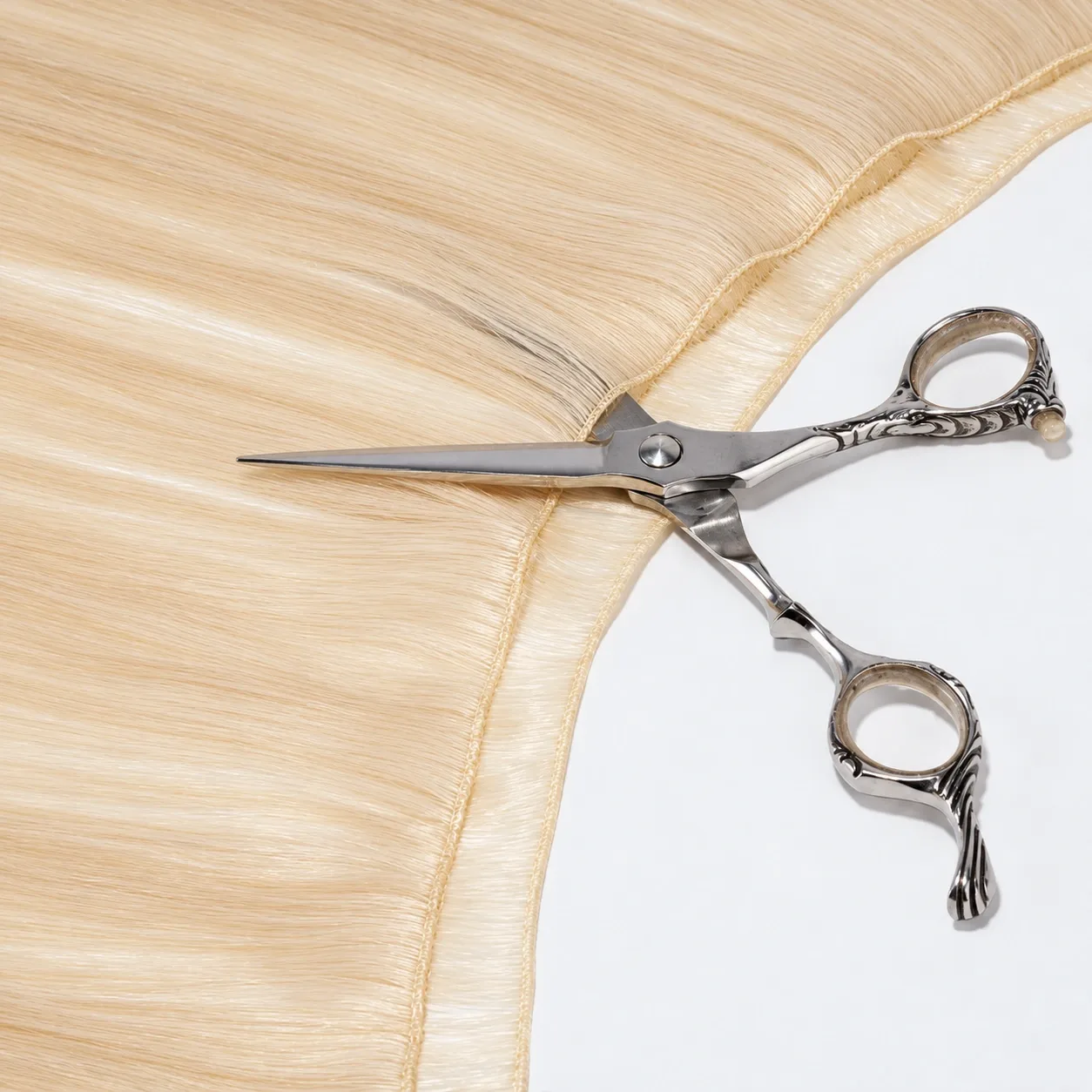
Reusable human hair may be removed and refitted several times while it remains in suitable condition. Longevity depends on hair quality, colour processing, heat exposure, home care and wear.
Your natural hair continues to grow, so attachments need regular attention even when the extension hair still looks beautiful.
We will explain the expected lifespan of your chosen hair and assess its condition at maintenance appointments. An estimated lifespan is not a guarantee.
Maintenance and Aftercare
What happens during hair extension maintenance?
Maintenance allows us to check your natural hair, scalp and attachments as your hair grows.
Depending on the method, we remove or release the attachments, manage naturally shed hair and tangles, and reposition or refit suitable extension hair.
When should I book?
- Petite tapes: usually around 5 to 6 weeks. Earlier attention may be needed if attachments twist or become uncomfortable. Do not extend beyond 8 weeks without a salon assessment.
- Micro rings: usually every 6 to 8 weeks.
- Genius wefts: usually every 6 to 8 weeks.
- Keratin bonds: we generally recommend assessment and maintenance planning at 6 to 8 weeks.
- Professionally attached toppers: monthly maintenance.
Your stylist may recommend a shorter interval based on your growth, density and attachment method.
What does maintenance cost?
- Four packs of tape extensions: R1,600.
- Five packs of tape extensions: R1,850.
- Six packs of tape extensions: R2,050.
- Two rows of Genius weft: R1,350.
- Three rows of Genius weft: R1,850.
Prices depend on the service and amount of hair. View our current price list and confirm your maintenance price when booking.
Contact us sooner if you notice matting, discomfort, repeated slipping or changes in your scalp.
How do I care for my extensions?
After tape installation
Do not wet or wash your hair for at least 24 hours. We generally recommend allowing 48 hours for the tape adhesive to settle. Avoid activities that heavily wet the roots during this period. Follow any additional instructions given for your particular system.
Washing and conditioning
Use salon-approved products compatible with your extensions. Cleanse the scalp and between the attachments thoroughly. We recommend two gentle shampoos to remove build-up.
For tapes, keep conditioner, masks, oils and leave-in products away from the bonds unless we have specifically approved a product for that area. Apply moisturising conditioner to the mid-lengths and ends, then rinse thoroughly. Being labelled “sulfate-free” does not automatically make a product suitable for tape attachments.
Brushing
Use a suitable extension brush. Support the attachments and work gently from the ends upwards. Brush regularly and check between rows or bonds for developing tangles. Do not drag a brush through knots or catch the attachments.
Drying and heat
Dry the roots and attachment areas thoroughly. Do not go to bed with wet extensions. Use heat protection and the lowest effective tool temperature. For our extension hair, keep styling tools at 180°C or below, or lower if the supplier recommends it. Keep hot tools away from bonds and attachment points.
Sleeping and tying up
Secure the hair loosely for sleep. Avoid hairstyles that pull on the attachments. You can usually tie your hair up, although placement, density and hairstyle affect how well attachments are concealed.
Maintenance
Attend your maintenance appointments on time. Contact us if you develop discomfort, matting or repeated slipping.
Can I swim, exercise and go on holiday with extensions?
Usually, yes, with suitable care.
After the initial adhesive-setting period, exercise is generally possible. Cleanse sweaty or oily roots when needed and dry the attachment areas thoroughly.
Before swimming, ask us how to secure your particular extensions. Avoid leaving long hair loose to tangle, and rinse promptly with fresh water afterwards.
Salt water, chlorine and repeated sun exposure can affect the condition and colour of extension hair.
Keep sunscreen away from the lengths and ask us about compatible products, especially for blonde hair. Continue protecting your skin from the sun.
If you wear a topper, check its specific swimming and exercise instructions before getting it wet.
Troubleshooting
Why are my extensions slipping or falling out?
Slipping can have several causes, including product contact, oil build-up, wetting tapes too soon, attachment wear or an application issue.
An occasional loose piece can happen, but repeated loss needs checking.
Keep any pieces that come out and contact us. Tell us when they were fitted, which products you use and whether the slipping started after washing, swimming or another change.
Do not pull at loose attachments or try to glue or clamp them back yourself. We will assess the cause and recommend the appropriate correction.
Why do my extensions feel dry or knotty?
Extension hair needs regular conditioning through the lengths. Dryness and tangling may be related to heat, chemical processing, product build-up, water exposure, friction, home care or the condition of the hair itself.
Use the products recommended for your extensions, detangle gently and avoid sleeping with wet hair.
If the problem persists, book an assessment. A professional wash and condition can help us understand what is happening.
Products can improve softness and manageability, but severely damaged hair cannot always be restored.
Why are my extensions shedding?
A small amount of hair loss from an extension piece may occur with wear. Noticeable or increasing shedding should be assessed.
Possible contributors include attachment wear, rough handling, heat or chemical damage, and manufacturing faults.
Remember that your own hair also sheds naturally. Some of those hairs remain held within the attachments until maintenance.
Do not repeatedly tug on the hair to test it. Contact us if you notice a clear change in fullness or excessive loose strands.
Why are my blonde extensions turning pink or orange?
Blonde extensions may discolour through contact with certain sunscreens, mineral deposits, swimming-pool water, product transfer or colour changes over time.
Some extension suppliers specifically advise avoiding contact with sunscreens containing avobenzone or octocrylene.
Keep the extension lengths away from sunscreen-covered skin where practical, while continuing to protect your skin.
Contact us before trying to correct the colour. Purple shampoo, bleach or strong cleansing treatments may be unsuitable and can make the problem worse.
The right correction depends on the cause and condition of the hair. No single treatment is guaranteed to remove every stain.
Why does my natural hair seem thinner after extensions?
After becoming used to extra fullness, your natural hair may feel noticeably finer when extensions are removed.
However, visible gaps, increased breakage or a change in density should not be dismissed.
Possible contributors include tension, matting, delayed maintenance, removal-related damage or an underlying hair-loss condition.
Book an assessment if you notice a change. We may recommend adjusting the method or weight, taking a break from extensions, or seeking medical advice before refitting.
Why aren't my extensions blending?
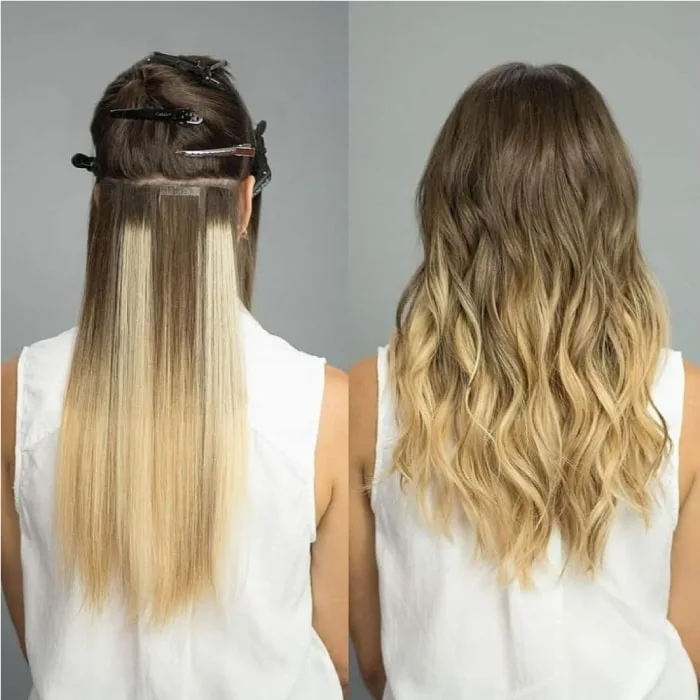
A natural blend depends on colour, texture, placement, length and the amount of extension hair used.
A short or blunt haircut may create a visible transition. Adding only a few very long pieces can leave the ends looking disconnected or sparse.
A suitable blending cut and styling can help, but the plan must also respect how much weight your natural hair can support.
We assess your starting hair and inspiration pictures before recommending a result. Texture differences may also need a styling plan.
For clients interested in a smoother finish, QIQI may be discussed as an optional treatment following a separate suitability assessment.
How can I tell whether extensions are human hair?
Appearance and softness alone cannot reliably confirm what an extension product contains. Coatings can affect how hair feels, and some synthetic fibres tolerate heat.
Ask the supplier for a clear description of the hair, processing, heat limits and aftercare requirements.
Human hair is not automatically Remy, virgin or high quality. These are separate characteristics.
A home burn test is not a reliable quality assessment, particularly for blended fibres. Choose a supplier who provides clear product information and support.
Why is Remy hair often preferred?
Remy hair has cuticles aligned in the same direction. This helps reduce friction between strands and can make the hair easier to manage.
However, the Remy label alone does not guarantee performance. Processing, colouring, manufacturing and home care also matter.
Ask about the specific hair you are buying rather than relying only on labels such as “premium”, “virgin” or a numbered hair grade.
Choosing a Salon and Booking
How do I choose a hair extension salon?
Choose a salon that regularly works with extensions, assesses your natural hair and explains the care involved.
Ask to see examples on hair similar to yours. Look for clear pricing, realistic recommendations and support after installation.
An experienced stylist should be comfortable explaining the limits of a proposed transformation and recommending an alternative when needed.
What happens at a Hair Extension Experts consultation?
We discuss your goals and assess your hair’s length, density, condition and coverage.
We then recommend a suitable method, colour, amount and length of hair, with an explanation of installation, maintenance and home care.
If a topper or medical assessment may be more appropriate, we will explain why.
For an initial estimate, send clear photographs of the back and sides of your hair, including the ends, taken in natural daylight. Include your preferred length or an inspiration picture.
For a personalised recommendation, book a free consultation at our Jukskei Park salon.

NEXT STEP
Ready for personal advice?
Book a free consultation at our Jukskei Park salon, or message us on WhatsApp with photos of your hair. Open Tuesday to Saturday, 8am to 5pm.